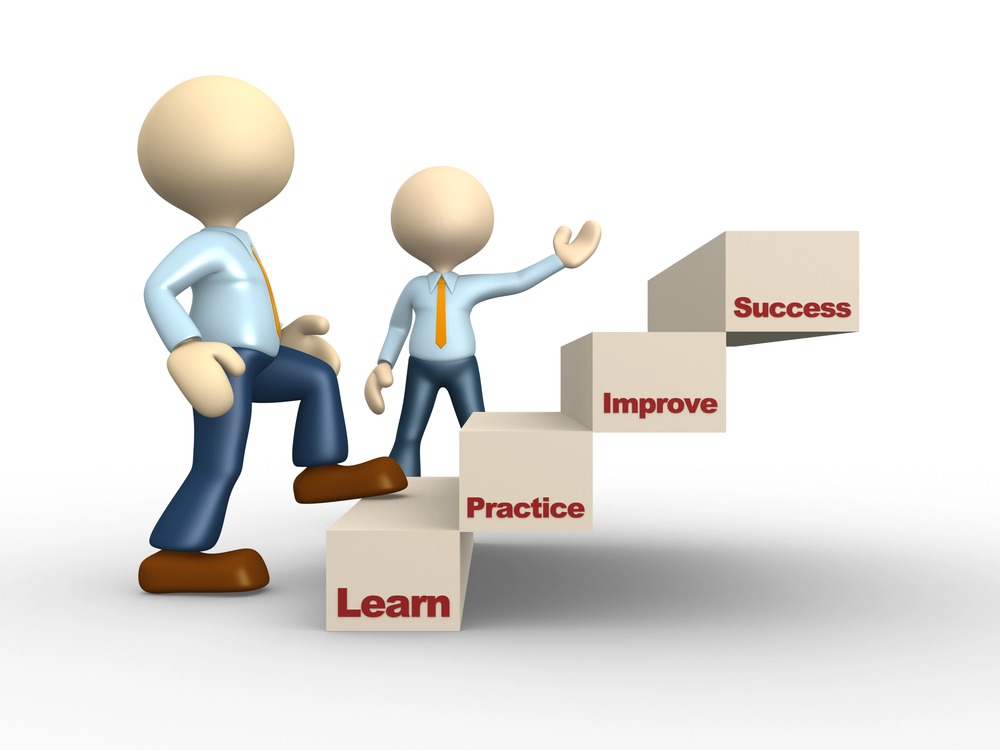
No More Theory — Let’s Make It Practical
At this point, we do not need more theory.
Many people think intelligence means scoring 160 on an IQ test.
But it does not.
Others focus on emotional intelligence, social skills, or test results.
Still, we all know people with average IQ scores who succeed in business, relationships, and money.
So the real question is simple:
What is intelligence, really?
A Clear Definition
Applied intelligence is the speed at which you use what you learn.
It is not about how much you know.
Instead, it is about how fast you act on what you already know.
This can be measured.
And it creates real results.

A Simple Daily Test
Here is something you can apply today.
We often say:
“Tomorrow the sun will rise.”
However, this is not correct.
The sun does not rise.
Instead, the Earth turns.
In the next hours, the part of the Earth where you live will turn toward the sun. As a result, daylight appears. The planet keeps turning on its axis. After one full turn, a day is complete. Then the cycle begins again.
At first, this may seem like a small detail.
But it is not.
Where Intelligence Is Measured
If you see that the second explanation is more accurate, the key question is not agreement.
Instead, ask yourself:
How fast will you use it?
That is where applied intelligence is measured.
If tomorrow you still say “the sun rises” without thinking, nothing changes.
But if you adjust your words based on what you already know is true, you improve your mental model.
When the model improves, your view changes.
A Practical Rule
The more precise your knowledge becomes,
the more precise your daily language should be.
We are not talking about culture or politics here.
Instead, we measure one thing:
How fast you use what you know.
That is applied intelligence.

What You Will Notice
When you update your language on purpose, something changes.
You start to see movement instead of fixed states.
You stop thinking in blocks and start thinking in motion.
We live on a planet that is always changing. Our senses make it look like the sun moves. However, science showed that the Earth turns.
That discovery changed human history.
If your language does not grow with knowledge, your thinking stays behind — even in the 21st century.
So update your interpretation.
When your interpretation becomes clear, decisions improve.
And when decisions improve, the future changes.
Liu Grant
P.S. In the next four entries, we will focus on the static words we still use without questioning them, on outdated phrases we repeat as if they were unchanging truths, on how language can be used strategically by those who understand its power, and on why using language that is not updated is one of the most common causes of our mistakes.